Ambient Storage in Saudi Arabia: The 2026 Cost-Smart Guide
Ambient storage in Saudi Arabia is the quiet workhorse of the supply chain. It keeps dry, shelf-stable goods safe at controlled room temperature, and it does so at a fraction of the cost of refrigeration. For most businesses, choosing the right mix of ambient and chilled space is the single biggest lever on their storage bill.
In this guide I explain when ambient storage is the smart choice, when you truly need chilled space, and how to build a cost-efficient warehousing strategy with a 3PL partner in 2026. The goal is simple: pay for cold only where cold earns its keep.
What ambient storage in Saudi Arabia actually means
Ambient storage holds products at a controlled room temperature, typically 15 °C to 25 °C, without refrigeration. It protects goods from the extreme outdoor heat, dust, and humidity of the Saudi climate while avoiding the energy cost of chilling.
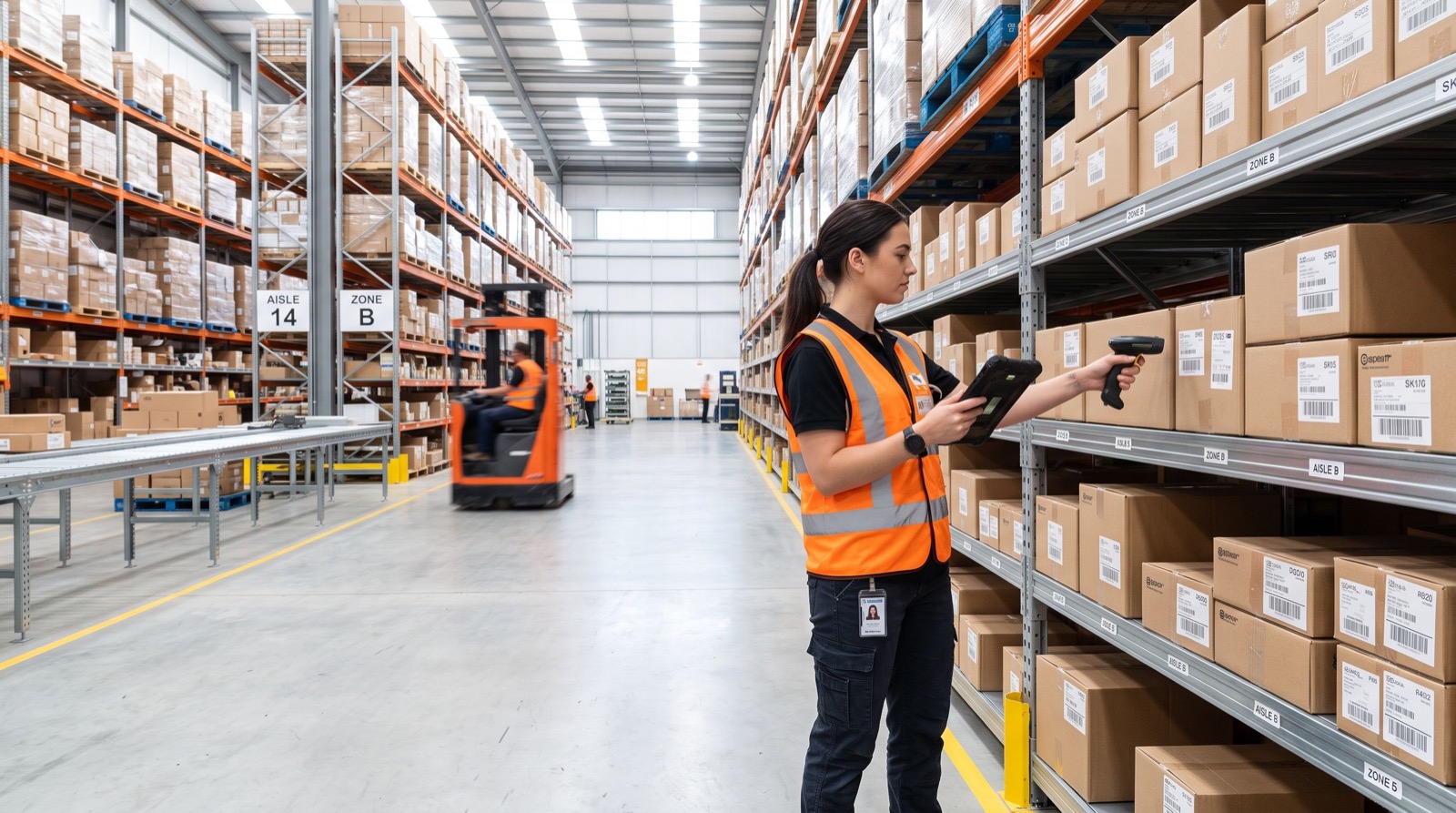
Plenty of products thrive in this environment: canned foods, grains, packaged snacks, textiles, electronics, cleaning supplies, and most non-perishable retail stock. For these, reliable Ambient Storage in Saudi Arabia delivers safe, low-cost warehousing without over-engineering the solution.
Because it uses far less energy, ambient space costs meaningfully less per pallet than chilled or frozen. That gap is where smart operators find savings.
Why controlled ambient beats an ordinary warehouse
An unmanaged shed still bakes in summer and traps moisture. Controlled ambient facilities manage temperature ceilings, humidity, ventilation, and pests, so packaging stays intact and products stay sellable. The difference shows up in your return rate.
Ambient versus chilled: how to decide
The rule is straightforward: if a product does not require cooling to stay safe or sellable, ambient is the right home. Reserve chilled space for goods that genuinely degrade at room temperature.
| Factor | Ambient storage | Chilled storage |
|---|---|---|
| Temperature | 15–25 °C | 0–5 °C |
| Best for | Dry, shelf-stable goods | Perishables, pharma |
| Energy use | Low | High |
| Relative cost | Lower | Higher |
| Backup power need | Helpful | Critical |
Products such as dairy, seafood, fresh produce, and many medicines cannot compromise. For those, a facility offering Chilled Storage in Jeddah with 24/7 monitoring and instant backup power is non-negotiable. Mixing zones under one contract keeps your whole catalog covered.
Which goods belong in ambient storage?
- Canned and jarred foods, grains, and pasta.
- Packaged snacks and beverages that are shelf-stable.
- Textiles, apparel, and household goods.
- Electronics and small appliances.
- Cleaning products and non-perishable retail stock.
How ambient storage cuts your logistics costs
Cold storage runs refrigeration around the clock, which is expensive. Moving every eligible SKU into ambient space frees your chilled capacity for products that actually need it and slashes energy overhead.
Here is the cost-smart approach I recommend to clients:
- Audit your catalog and tag each SKU by true temperature need.
- Move all shelf-stable goods into controlled ambient space.
- Right-size chilled capacity to genuine perishables only.
- Use a 3PL to flex both zones during seasonal peaks.
- Review the mix quarterly as your product range shifts.
The 3PL advantage
Third-party logistics providers let you rent exactly the space you need, when you need it. Instead of leasing a fixed unit that sits half-empty, you scale up for Ramadan or a product launch and scale down afterward. That flexibility turns fixed cost into variable cost.
What to look for in a storage provider
Not all facilities are equal. When evaluating a warehouse, I focus on infrastructure, monitoring, and location, because those determine reliability and speed. A cheap quote means nothing if stock arrives damaged or late.
Prioritize providers that offer both ambient and chilled zones, real-time inventory systems, backup power, and a Jeddah location close to the port and highways. Working with reputable service experts gives you documented processes and accountability you can rely on during audits or disputes.
Sustainability is now a cost factor
Energy prices and Vision 2030 sustainability goals make efficiency matter. The International Energy Agency notes that space cooling is one of the fastest-growing energy demands worldwide. Choosing ambient where possible, and providers using efficient refrigeration where cooling is essential, cuts both emissions and your bill.
Building a resilient storage strategy for 2026
Resilience comes from visibility and flexibility. Cloud dashboards, IoT sensors, and integrated inventory systems let you track every pallet in real time, whether it sits in an ambient or chilled bay. Ask any provider what technology they offer before you sign.
The winning strategy blends both zones intelligently: ambient for the bulk of your catalog, chilled for the sensitive minority, and a flexible 3PL relationship to absorb seasonal swings. That balance protects product and profit at once.
Frequently Asked Questions
What is ambient storage in Saudi Arabia?
Ambient storage keeps goods at a controlled room temperature, usually 15 °C to 25 °C, without refrigeration. It protects dry, shelf-stable products from outdoor heat, dust, and humidity while costing far less than chilled or frozen space.
When should I use chilled storage instead of ambient?
Use chilled storage for products that degrade or become unsafe at room temperature, such as dairy, seafood, fresh produce, and many medicines. If a product does not require cooling, ambient storage is the more cost-effective choice.
How much can ambient storage save compared with chilled?
Ambient space uses far less energy than refrigerated space, so it typically costs significantly less per pallet. Moving every shelf-stable SKU out of chilled rooms frees expensive capacity and lowers your overall logistics bill.
Can one provider offer both ambient and chilled storage?
Yes. Many Jeddah facilities provide zoned ambient, chilled, and frozen space under one roof and one contract. This lets you store a mixed catalog in a single location and simplifies distribution and reporting.
Conclusion
Cost-smart ambient storage in Saudi Arabia is about matching each product to the environment it truly needs. Keep shelf-stable goods in efficient ambient space, reserve chilled rooms for genuine perishables, and lean on a flexible 3PL partner to handle seasonal peaks. Ready to build a leaner, more resilient storage plan for 2026? Talk to a trusted Jeddah warehousing team today.